About
Friends of Antarctica is an independent coalition of scientists, communicators, and policy professionals dedicated to ensuring the long-term protection of Antarctica’s globally significant marine resources through world-class science, strategic policy engagement, and compelling public communication.
By generating independent evidence, advancing international conservation measures, and building public support, Friends of Antarctica works to ensure that Antarctic wildlife—especially recovering whale populations—can thrive for generations to come.
Our vision is an Antarctica where marine ecosystems are managed for ecological integrity, recovering whale populations have access to abundant prey, and science informs international conservation decisions.
Meet the Team
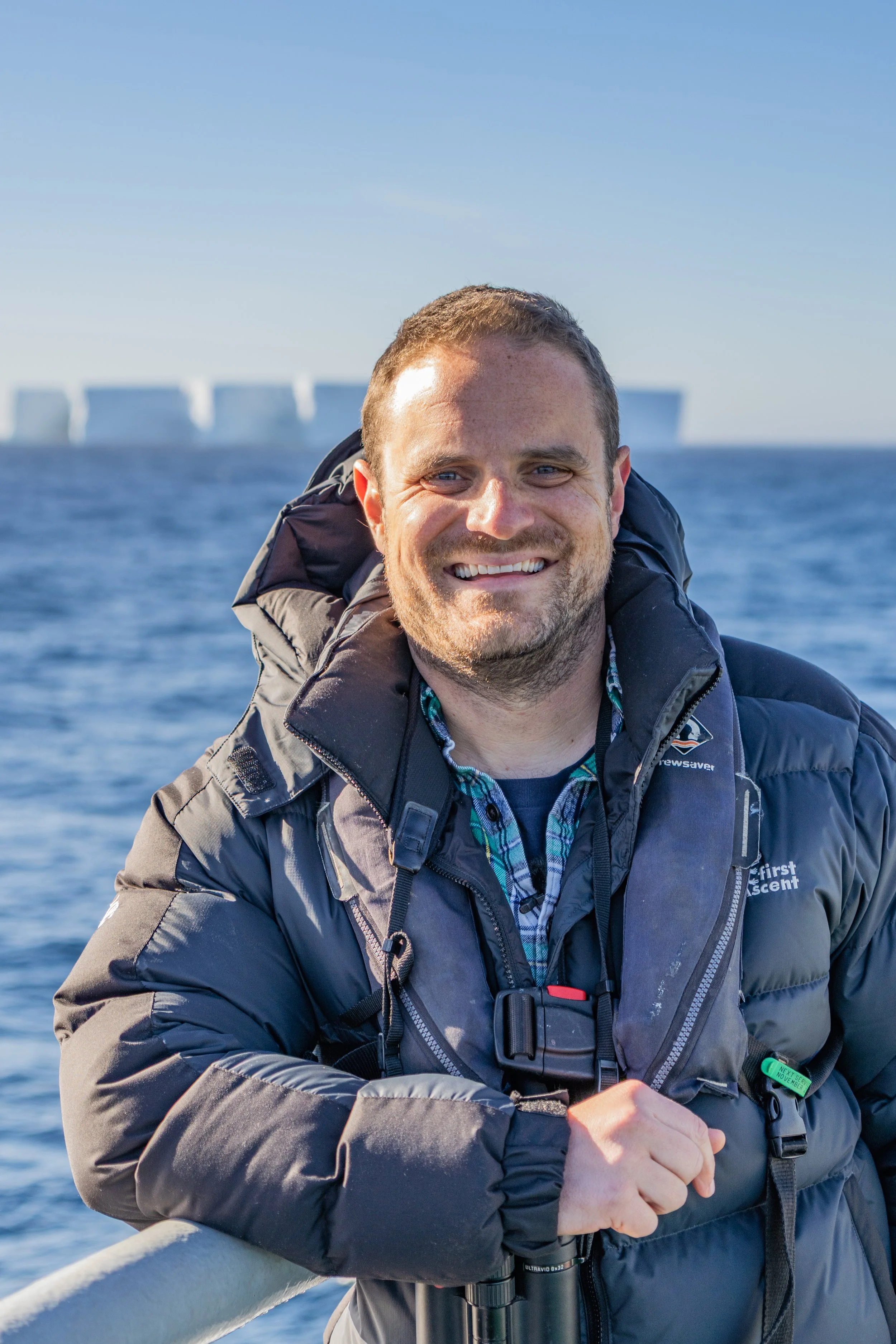
Matthew Savoca, PhD
Dr. Matt Savoca is an ecosystem ecologist studying human impacts on marine predators. He earned his B.S. from Cornell University and Ph.D. in Ecology from UC Davis, where he investigated the ecosystem effects of industrial whaling, and why marine animals mistake plastic debris for prey. He subsequently studied baleen whale foraging behavior, prey consumption, nutrient cycling, and microplastic ingestion as an NSF Postdoctoral Research Fellow at Stanford University's Hopkins Marine Station. Now a Stanford Research Scientist and Principal Investigator with the California Marine Sanctuary Foundation, Matt brought the team together and leads scientific coordination of its findings into policy and behavioral change that advances conservation of the Southern Ocean ecosystem.
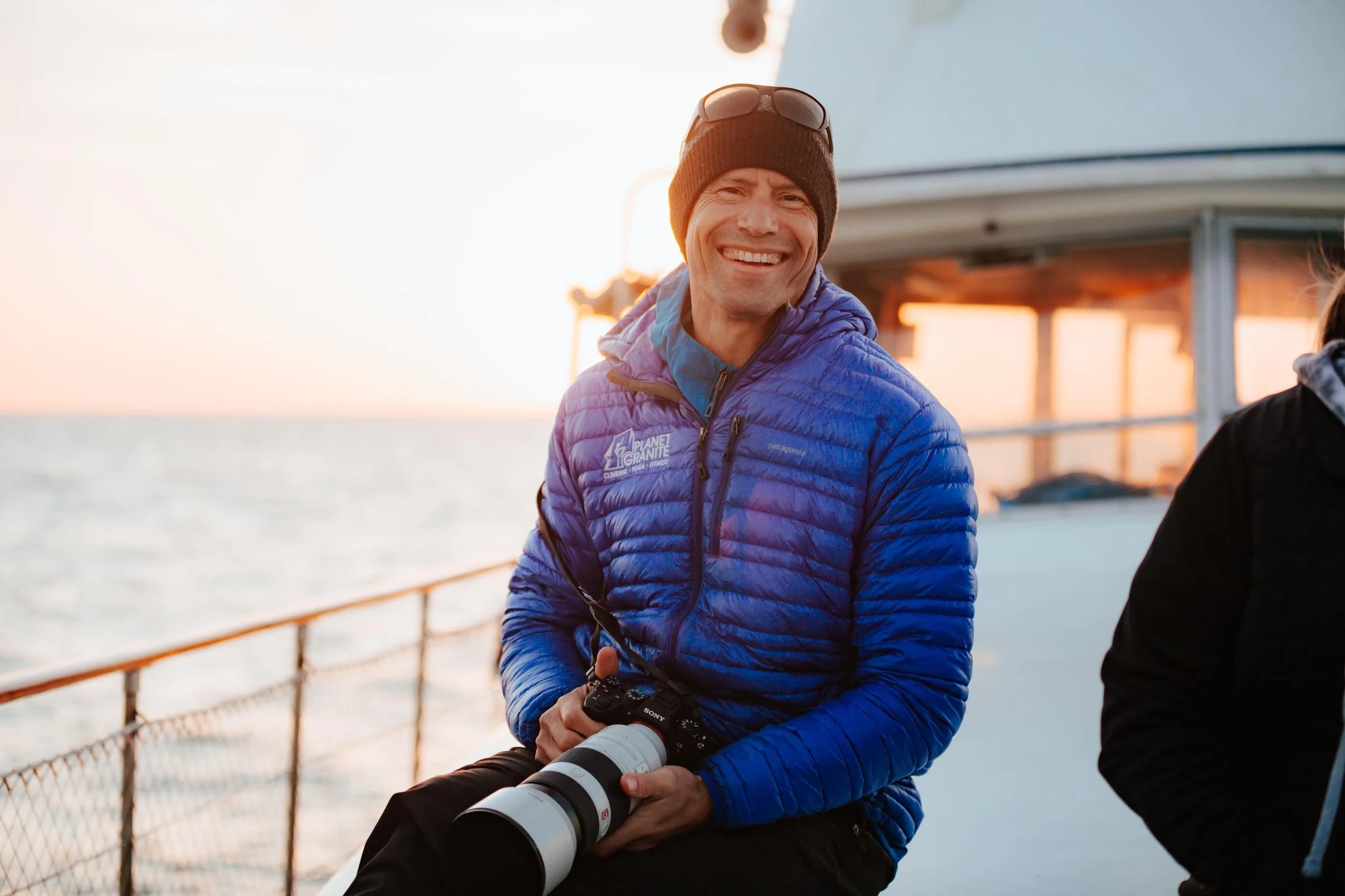
Ted Cheeseman, PhD
Ted Cheeseman is a research professor in the Ocean Sciences Department, University of California, Santa Cruz and co-founder of Happywhale, a global citizen-science platform that uses photo identification to track individual whales. He holds degrees in field ecology from Prescott College and tropical conservation biology from Duke University, and completed his Ph.D. at Southern Cross University, where his research focused on North Pacific humpback whales. A longtime Antarctic expedition leader and former IAATO executive committee member, Ted brings more than three decades of polar experience to the team. He leads the project's whale photo-identification work and integration with Happywhale's global datasets.
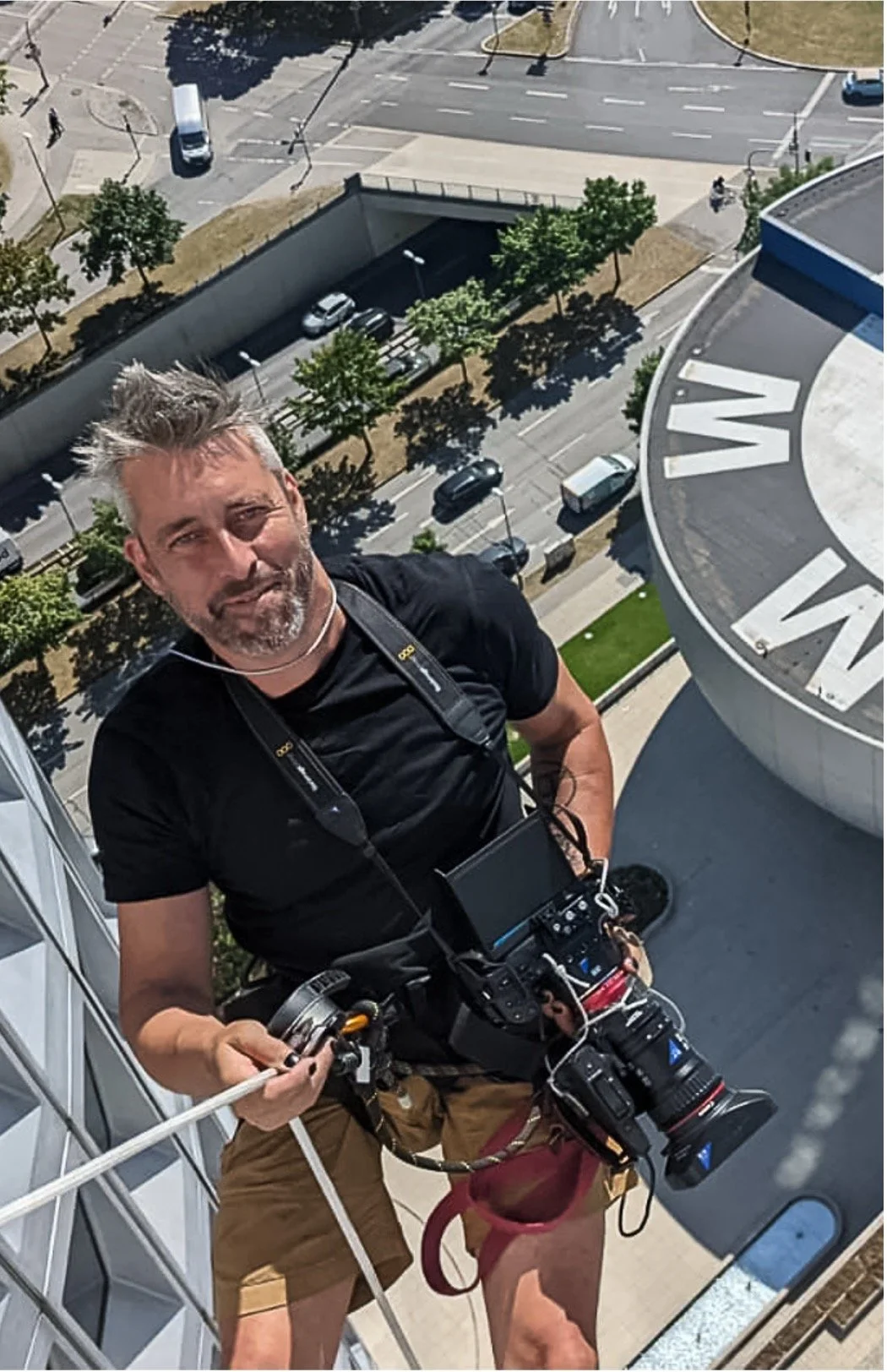
Greg Bernstein
Greg Bernstein is an Emmy Award-winning cinematographer, photographer, and founder of Worldwide Drone Solutions. He brings more than three decades of experience in visual storytelling, technology, outdoor leadership, and environmental work, with projects spanning South America, the Arctic, and Yosemite’s El Capitan. His credits include National Geographic, PBS, and Greenpeace. He currently develops drone-based whale survey systems for marine research through the Friedlaender Lab at the University of California, Santa Cruz, combining aerial imaging, technical problem-solving, and experience working in challenging environments.
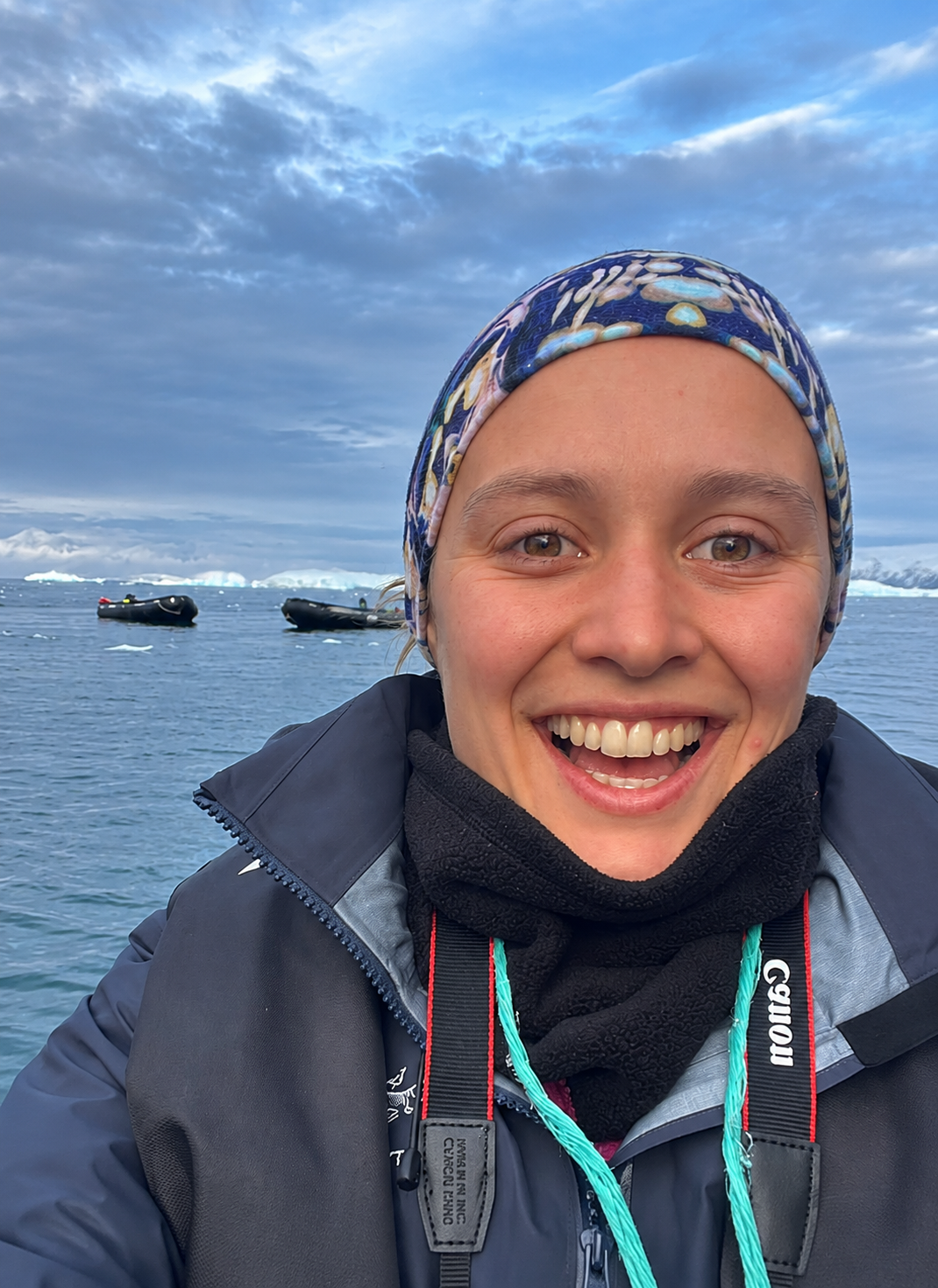
Ginger Kleehammer
Ginger is a quantitative marine scientist passionate about baleen whale ecology and the conservation of Southern Ocean ecosystems. She hold a master's in marine and Antarctic Science from the University of Tasmania and has extensive field experience as a Marine Mammal Observer across Antarctica and the subantarctic, collecting whale sighting and behavioural data, as well as conducting pathogen surveillance through biological sampling of Antarctic seabirds and seals. Her current research has focused on estimating humpback whale abundance and distribution, with an interest in understanding whale habitat use. Ginger is passionate about using science to inform the conservation and management of Antarctic marine ecosystems.
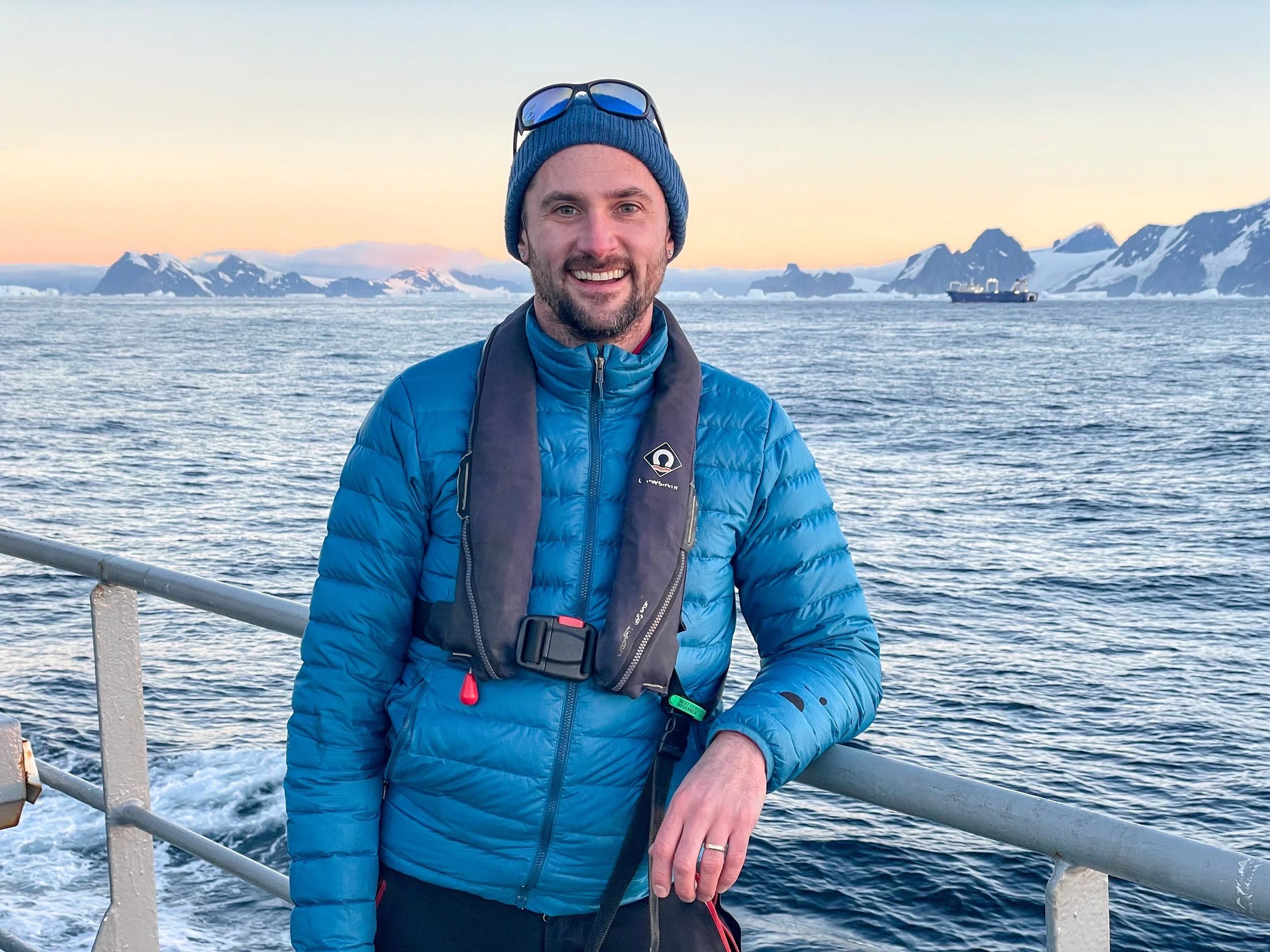
Matthew Koller
Matt Koller is a marine policy and science communication specialist whose work focuses on translating scientific research into conservation and management outcomes. He earned his Master of Environmental Science and Management (MESM) from UC Santa Barbara’s Bren School, specializing in Coastal Marine Resource Management and Strategic Environmental Communication. His work has spanned fisheries, offshore energy, marine conservation, and ocean policy, including positions with NOAA Fisheries, the California State Lands Commission, and the Natural Resources Defense Council. As a Scientific Committee on Antarctic Research (SCAR) Ice Narratives Fellow, Matt leads the project’s policy and communications work, connecting expedition findings with Antarctic decision-makers, conservation organizations, and other stakeholders.
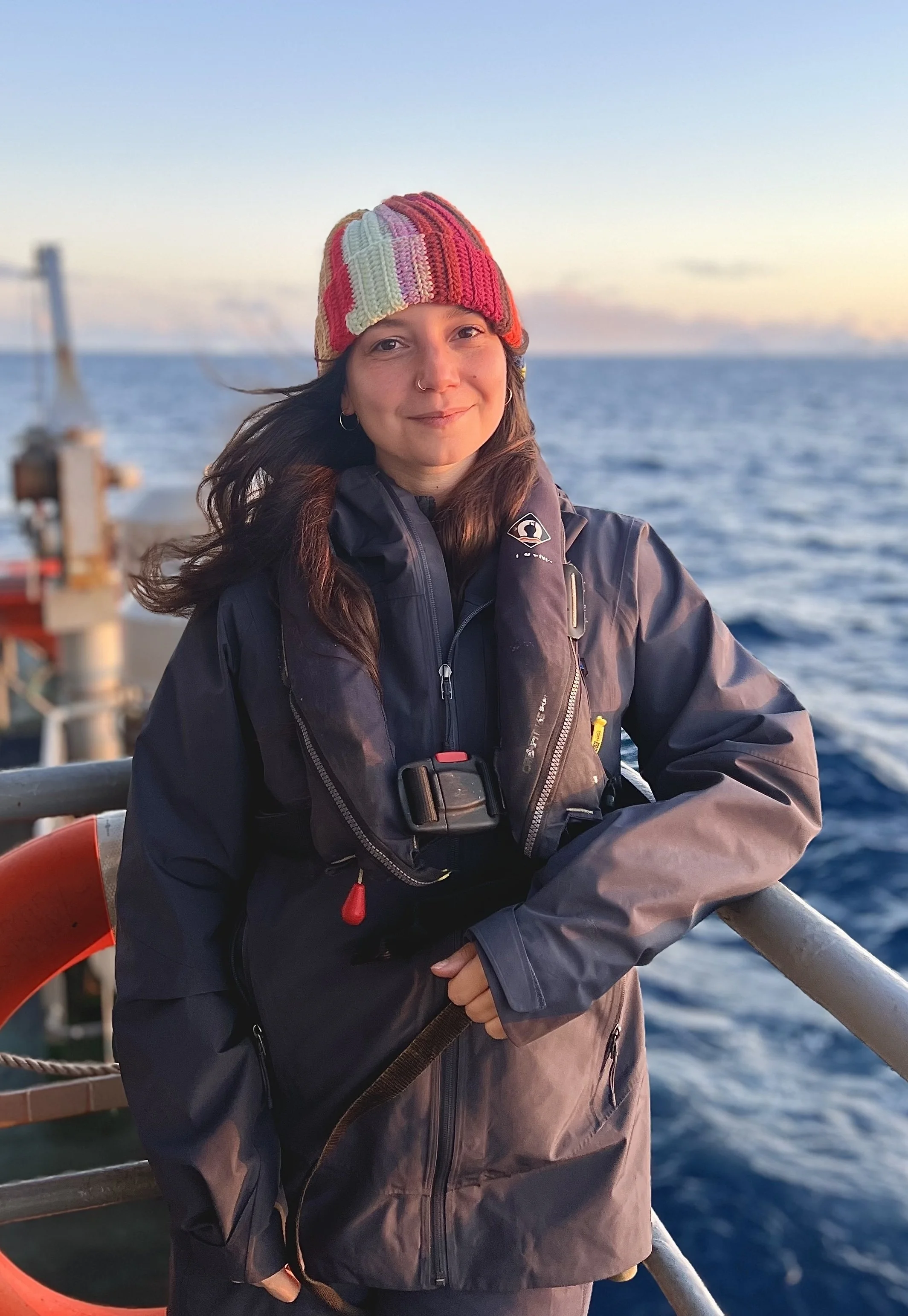
Carmella Re
Mella Re is a marine ecologist focused on baleen whale ecology, behavior, and conservation. After transitioning from a career in marketing to marine science, she studied zoology at Oregon State University, and gained field experience in marine mammal photo-identification, stranding response, drone photogrammetry, and biologging techniques. She is now a PhD student in Ecology and Evolutionary Biology at UC Santa Cruz. On the South Orkney expedition Mella helped document whale distribution and interactions with industrial krill fishing vessels.
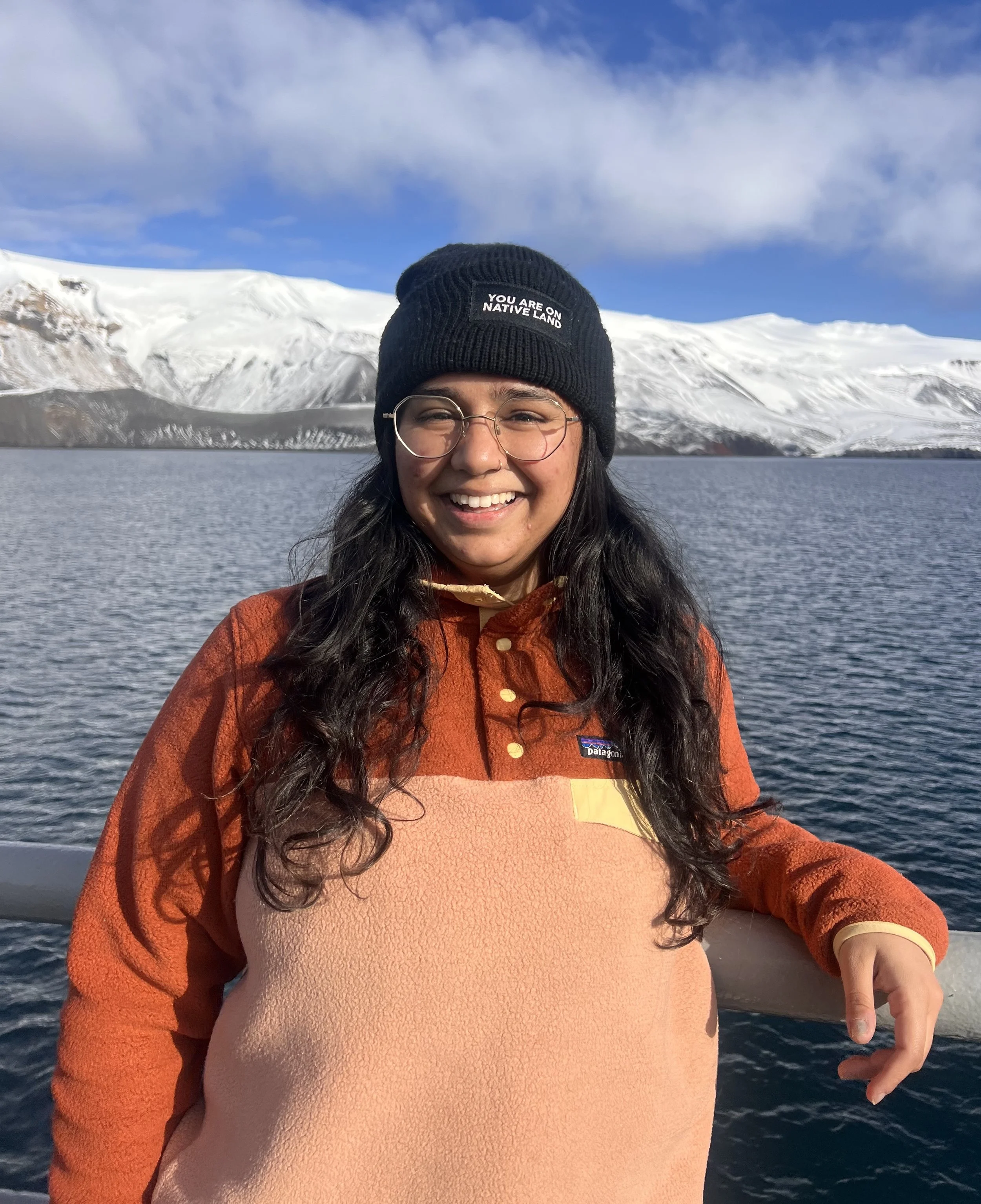
Mehr Kumar
Mehr Kumar is an environmental justice advocate, marine ecologist, artist, and writer whose work focuses on bringing science to tangible action. A Stanford graduate, she has conducted research at Hopkins Marine Station, including a historical ecology project using a Southern Ocean sediment core to reconstruct Antarctic ecosystems before industrial whaling and investigate the justice implications of Antarctic governance. She served as a scientist on the first South Orkneys voyage, using her experience as both an advocate and a scientist to build a partnership with SSG. Mehr brings expertise in Southern Ocean ecology, field research, environmental justice, and science communication to the project. She is currently pursuing an MFA in Environmental Art + Social Practice at UC Santa Cruz.